
Hello everyone! In this article, we will explore the elegance of Japan’s three major ceramic roads, Arita-yaki, Mino-yaki, and Seto-yaki. Let’s take a closer look into the world of beautiful ceramics!
1. Arita Ware (有田焼ありたやき)
Arita-yaki, also known as Imari ware, is a type of porcelain produced in and around the town of Arita in Saga Prefecture, Japan. It is sometimes referred to as “Imari” due to its historical shipping from the Imari Port. Arita ware utilizes various types of porcelain stone, such as Izumiyama clay and Amakusa clay, as raw materials, with distinctions made based on the type of porcelain being produced.

Artworks are categorized into periods and styles such as Early Imari, Ko-Kutani style, Kakiemon style, and Kinrande. Additionally, there are exclusive pieces created for presentation, such as those designated for the Nabeshima domain known as “Nabeshima style” and those presented to the imperial household called “Kinpaku style.”
The history of Arita-yaki dates back to the early 17th century when Korean potters, accompanying the lord of the region during Toyotomi Hideyoshi’s Korean campaigns, discovered porcelain stone in the Izumiyama area of Arita. One of these potters, Lee Sam-pyeong, also known as Kanagae Sanbei, is considered the founder of Arita-yaki. Arita continued its porcelain production for an extended period, being the only region in Japan to do so until the late Edo period.
The landscape along the railway line between Arita Station and Kami-Arita Station on the JR Sasebo Line, marked by numerous chimneys, is a distinctive feature, and the town layout known as “Arita Uchiyama” is designated as an Important Traditional Buildings Preservation District.
A point of confusion lies in the names “Arita-yaki” and “Imari-yaki.” In the early modern period, porcelain produced in Arita, Mikawachi (Nagasaki Prefecture), Hasami (Nagasaki Prefecture), and other areas in Hizen province was collectively called “Imari” after the shipping port. Over time, as transportation shifted from sea to land, Arita-yaki and Imari-yaki began to be distinguished, with Arita representing the products from the Arita region.
The history of Arita-yaki includes the discovery of porcelain stone by Lee Sam-pyeong in the early 17th century, the influence of Chinese porcelain styles, and the development of various techniques, such as the creation of Ko-Kutani and Kakiemon styles in the 17th century. The production of Arita-yaki reached its peak in the late 17th century when it became a major exporter to Europe, particularly during the Imari boom.
Arita-yaki is known for its diverse styles, including underglaze blue, overglaze enamels, and the famous Kakiemon style characterized by delicate reds and greens on a milky white background. The introduction of gold-lacquered pieces, known as Kinrande, added another layer of sophistication to Arita-yaki.
Over the years, Arita-yaki faced challenges due to the resumption of porcelain production in China and changes in trade regulations. The export of Imari ware to Europe declined, leading Arita to focus more on domestic production. In modern times, Arita-yaki remains a highly esteemed traditional craft, and certain styles and techniques are passed down through generations.
The distinctive features of Arita-yaki, its rich history, and the evolution of its styles make it a unique and treasured part of Japan’s cultural heritage.

2. Mino Ware (美濃焼みのやき)
Mino-yaki, a distinctive type of Japanese pottery, originates from several kiln sites in Gifu Prefecture, including Tajimi, Toki, Kani, Mizunami, and Kasahara. Accounting for nearly half of Japan’s ceramic production, Mino-yaki has a rich history and continues to be beloved by people from all walks of life.
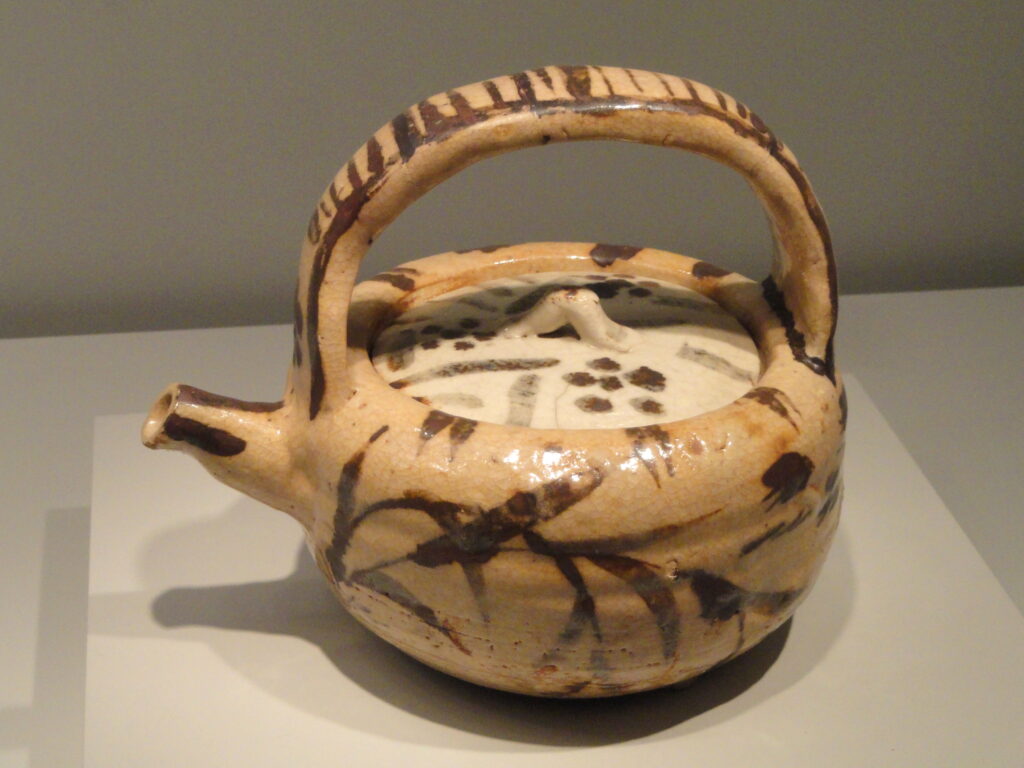
One remarkable aspect of Mino-yaki is its lack of a singular defining feature, which itself becomes its defining characteristic. This absence of a consistent style stems from its extensive history, during which various techniques and glazes evolved in response to changing tastes and trends. The result is a pottery tradition with an astonishing array of shapes, colors, and patterns, making it challenging to pinpoint a unifying visual identity.
Mino-yaki traces its origins back to the Nara Period, drawing inspiration from the techniques of Sue pottery that arrived from the Korean Peninsula. During the Heian Period, the introduction of ash glazes led to the creation of “haiyū” (灰釉) ware, and subsequent periods witnessed the development of diverse styles such as “yamachawan” (山茶碗) in the Kamakura Period.
The majority of Mino-yaki is crafted using traditional methods such as wheel throwing, hand-coiling, and molding. Following the shaping process, artisans apply intricate patterns through techniques like painting and carving. The pieces undergo a bisque firing before being glazed with a wide variety of glazes and subjected to a final firing.
Mino-yaki is categorized into 15 distinct styles, with four fundamental types being:
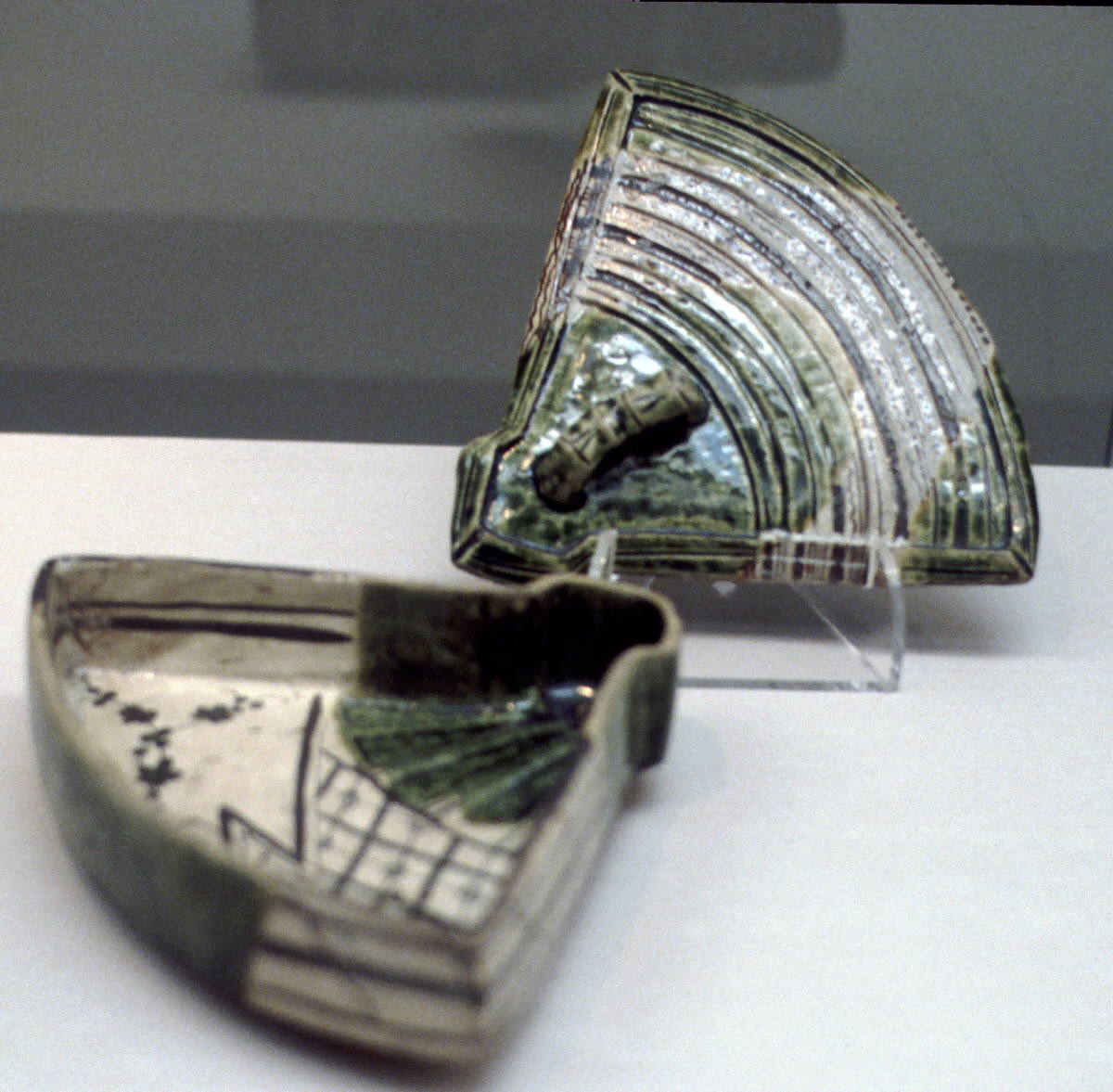
Ki-Seto (Yellow Seto): Known for its warm, soft yellow tones adorned with plant motifs. Seto-Guro (Seto Black): Characterized by a deep, lustrous black color achieved through a unique firing technique. Shino: Exhibits a soft milky white base with delicate crackles, subtle red accents, and intricate patterns. Oribe: Originating from the preferences of the tea master Furuta Oribe, it features distorted forms, vibrant greens, and iron-rich pigments.
The allure of Mino-yaki extends across generations, captivating enthusiasts with its dynamic glazes and unique forms. As a testament to its enduring popularity, Mino-yaki continues to be a staple in Japanese households, representing not only functional tableware but also a celebration of artistic expression and cultural heritage.
3. Seto Ware (瀬戸焼せとやき)
Seto-yaki, a collective term for ceramics produced mainly in Seto City, Aichi Prefecture, is a renowned Japanese pottery with a rich history dating back to ancient times. The name “Seto” is believed to have originated from the term “suedokoro,” meaning a place for pottery. This region is celebrated for its high-quality and abundant clay, resulting in ceramics that are not only beautifully glazed but also highly regarded for their craftsmanship.
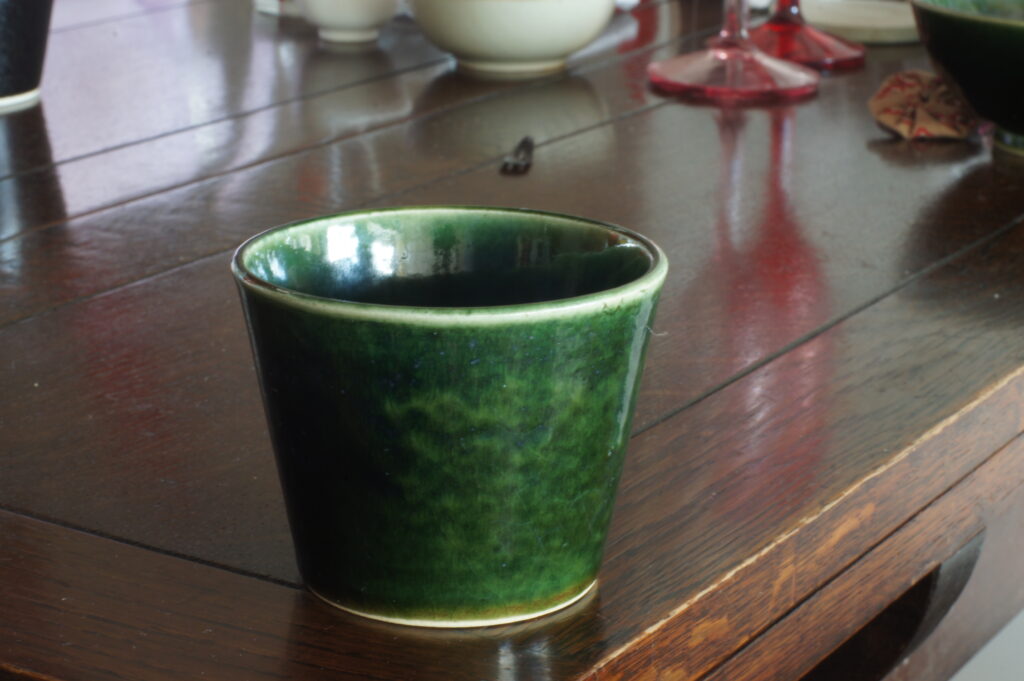
Unique to Seto-yaki is its dual production of both earthenware and porcelain, making it a distinctive pottery hub in Japan. Earthenware, exemplified by the traditional craft “Akazu Ware,” is characterized by the intricate use of glazes, while porcelain, such as “Seto Sometsuke Ware,” is renowned for its beautiful blue underglaze known as “gosu.”
One of Seto-yaki’s distinguishing features is its remarkable diversity in the types of ceramics produced. From traditional tea utensils to contemporary novelties, Seto-yaki has been a melting pot for various styles and techniques throughout its long history.
The roots of Seto-yaki can be traced back to the latter half of the 5th century when the production of Sue pottery, influenced by techniques from the Korean Peninsula, began at the kiln site known as “Sanageyama Kofun Group” in the present-day eastern hills of Nagoya. Over the centuries, Seto-yaki evolved from natural ash glazes to intentionally applied glazes, leading to the creation of Japan’s first artificially glazed pottery in the 9th century.
During the late Heian period, Seto-yaki witnessed the mass production of bowls, plates, and vessels known as “yamachawan,” which became a staple in Japanese households. The late 12th century marked the advent of “Koseto,” a new style of glazed pottery that further solidified Seto-yaki’s reputation as a unique ceramics-producing region.
Seto-yaki’s significance was revitalized in the early 17th century when the first lord of Owari, Tokugawa Yoshinao, summoned scattered potters back from Mino to Seto. This period saw the emergence of renowned artisans like Kato Rieemon and Kato Shirozaemon, contributing to the production of both daily necessities and distinctive tea wares.
With the onset of the Meiji era, Seto-yaki actively participated in international expositions, showcasing its export-oriented ceramics. The 1873 Vienna World Exposition, 1876 Philadelphia Centennial Exhibition, and 1878 Paris World Exposition brought Seto-yaki to the global stage, earning high acclaim and expanding its influence.
Seto-yaki’s versatility extended into the 20th century with the establishment of organizations, ceramic schools, and the introduction of modern technologies. Despite facing challenges during economic downturns and wartime prioritization, Seto-yaki’s ceramics industry experienced a post-war resurgence, catering to the demand for daily necessities.
In recent times, Seto-yaki continues to evolve, incorporating cutting-edge scientific and technological advancements to create innovative ceramics for the future. The rich legacy of Seto-yaki’s pottery, marked by its diversity, craftsmanship, and adaptability, solidifies its place as a prominent center of ceramic artistry in Japan.

Conclusion
These ceramic traditions have not only shaped Japan’s cultural identity but also continue to inspire ceramic artists and enthusiasts worldwide. Have you encountered these beautiful ceramics, or are you excited to explore them? If you are interested, please do your own research!


コメント